How Long Does Acrylic Last Outdoors? Lifespan, UV Resistance, and Maintenance

Informational

High-quality acrylic can last 10 to 20 years or more outdoors, depending on environmental conditions, material quality, and maintenance practices. Its excellent UV resistance and weather durability make acrylic one of the most reliable materials for outdoor applications.

From signage and architectural features to display systems, acrylic is commonly chosen for projects that require long-term performance in outdoor environments.

Why Acrylic Is Suitable for Outdoor Use

Acrylic is specifically valued for its ability to withstand exposure to sunlight, rain, humidity, and temperature fluctuations.

Unlike many plastics that become yellow or brittle over time, quality acrylic sheets are designed to maintain their clarity and structural integrity for years.

Key outdoor advantages include:

  • UV resistance
  • Moisture resistance
  • Lightweight structure
  • Good weather durability
  • Excellent optical clarity

These properties make acrylic a practical choice for exterior applications.

Read also: Types of Acrylic: Complete Guide to Different Acrylic Sheets and Their Uses

How Long Can Acrylic Last Outdoors?

The outdoor lifespan of acrylic depends on several factors.

In general:

  • Standard outdoor applications: 10-15 years
  • Premium UV-resistant acrylic: 15-20+ years
  • Protected outdoor environments: potentially longer

Many commercial signs and display systems continue performing well long after installation when proper materials and maintenance practices are used.

Understanding UV Resistance

One of acrylic's most important outdoor characteristics is its natural resistance to ultraviolet (UV) radiation.

Continuous sun exposure can damage many plastics, causing:

  • Yellowing
  • Cracking
  • Brittleness
  • Reduced transparency

High-quality acrylic sheets are designed to resist these effects, helping maintain their appearance and performance over time.

This is why acrylic is frequently used for:

  • Outdoor signage
  • Light boxes
  • Storefront displays
  • Protective panels
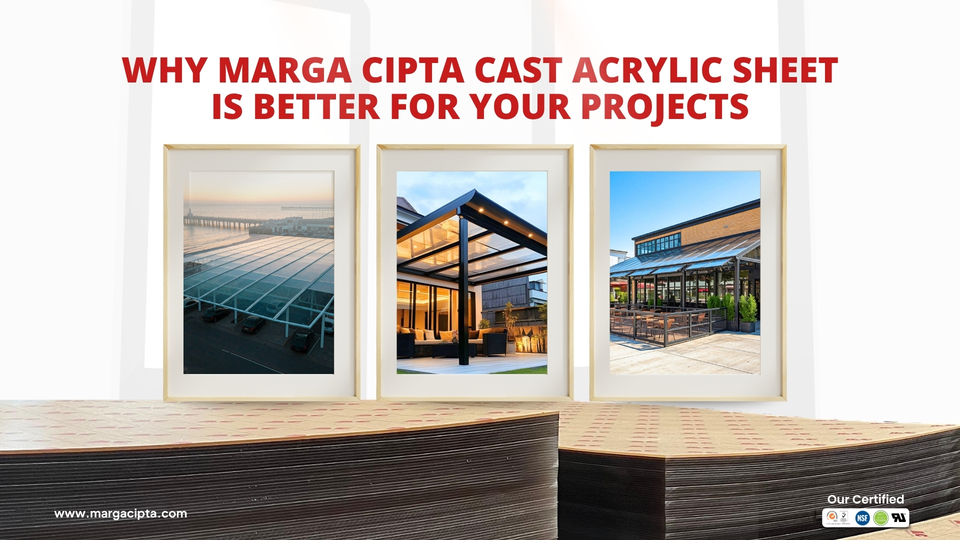
  • Architectural glazing

Factors That Affect Acrylic Lifespan

Several conditions can influence how long acrylic lasts outdoors.

1. Material Quality

Premium acrylic sheets generally offer better UV stability and weather resistance than lower-quality alternatives.

2. Climate Conditions

Areas with intense sunlight, high humidity, or extreme weather may place greater stress on outdoor materials.

3. Installation Quality

Proper support and installation help prevent unnecessary stress that can reduce material lifespan.

4. Maintenance Practices

Regular cleaning and proper care can significantly improve long-term performance.

How to Maintain Outdoor Acrylic

To maximize outdoor durability:

1. Use Acrylic-Safe Cleaners

Avoid harsh chemicals that can damage the surface or weaken the material.

2. Clean Regularly

Removing dirt and debris helps preserve clarity and appearance.

3. Inspect Periodically

Routine inspections can identify minor issues before they become significant problems.

4. Avoid Excessive Mechanical Stress

Proper installation and support help prevent cracking or warping over time.

Why High-Quality Acrylic Matters

The quality of the acrylic sheet often determines how well it performs outdoors.

Premium acrylic typically offers:

  • Better UV resistance
  • Longer lifespan
  • Improved clarity retention
  • Enhanced weather performance

Marga Cipta supplies high-quality acrylic sheets designed for both indoor and outdoor applications, helping businesses achieve durable and professional results.

Read also: Acrylic Cleaner Guide: Safe Liquids to Clean Acrylic Without Damage

Conclusion

So, how long does acrylic last outdoors? In most cases, high-quality acrylic can last between 10 and 20 years or more when properly installed and maintained.

Its UV resistance, weather durability, and excellent clarity make it a trusted material for outdoor signage, displays, and architectural projects. By choosing premium acrylic sheets and following proper maintenance practices, users can maximize both performance and lifespan.

Ready to explore our cast acrylic options? At Margacipta Wirasentosa, we offer high-quality clear cast acrylic sheets from 100% virgin MMA in various thicknesses and custom sizes to fit your needs.

Reach out to our Instagram or download our Product Catalog for more information.

News Release

Best Acrylic Sheet for Signage: Types, Thickness & Tips

The best acrylic sheet for signage depends on clarity, durability, thickness, and fabrication needs.

For most signage applications, clear or colored cast acrylic sheets are preferred because they offer excellent optical clarity, durability, and machining performance.

Acrylic signage is widely used because it provides a modern, glass-like appearance while being lighter and more durable.

Types of Acrylic Sheets for Signage

Different acrylic sheet types are designed for different applications.

Cast Acrylic

Cast acrylic is considered the premium choice for signage.

Advantages:

  • Superior optical clarity
  • Better chemical resistance
  • Excellent for laser cutting and engraving

Best for:

  • Premium signage
  • LED light panels
  • Decorative displays

Extruded Acrylic

Extruded acrylic is produced through a continuous manufacturing process.

It is usually more affordable, but for long-term projects or premium signage, extruded acrylic may require earlier replacement or maintenance compared to higher-grade acrylic materials.

Best for:

  • Budget signage
  • Simple display panels
  • Short-term or temporary installations

Read also: How to Identify High-Quality Cast Acrylic Sheets

Recommended Acrylic Thickness for Signage

The ideal thickness depends on the size and installation method.

Sign Type

Recommended Thickness

Small indoor signage

2–3 mm

Wall signage

3–5 mm

Outdoor signage

5–8 mm

Large signage panels

8–10 mm

Thicker acrylic provides better rigidity and durability for larger signs.

Why Acrylic Is Popular for Signage

Acrylic sheets are widely used in the signage industry because they offer several benefits.

High Clarity

Acrylic provides a glass-like finish that enhances the appearance of logos and graphics.

Easy Fabrication

Acrylic can be:

  • Laser cut
  • CNC engraved
  • UV printed
  • Heat bent

This makes it ideal for creative signage designs.

Lightweight and Durable

Compared to glass, acrylic is lighter and easier to install while still offering good durability.

Read also: Clear Acrylic Sheet vs Glass: Pros, Cons & Key Differences

Choosing a Reliable Acrylic Manufacturer

For consistent quality and precise dimensions, it is important to source acrylic sheets from a reliable manufacturer such as
PT. Margacipta Wirasentosa.

Quality acrylic sheets provide:

  • Stable thickness
  • High optical clarity
  • Reliable durability for signage applications.

FAQ: Acrylic Sheet for Signage

What type of acrylic is best for signage?

Cast acrylic is generally considered the best option for premium signage.

What thickness acrylic should be used for signage?

Most signage uses acrylic between 3 mm and 8 mm depending on size.

Can acrylic signs be used outdoors?

Yes, high-quality acrylic sheets are suitable for outdoor signage.

Is acrylic better than glass for signage?

Acrylic is usually preferred because it is lighter, safer, and easier to fabricate.

Choose the Right Acrylic Sheet for Your Signage Project

Using the right acrylic sheet can significantly improve the durability, appearance, and overall quality of your signage.

PT. Margacipta Wirasentosa offers a range of acrylic sheets designed for signage applications, including clear and colored panels with consistent thickness and excellent surface quality.

  • Ideal for LED signage and light boxes
  • Suitable for laser cutting and engraving
  • Available in multiple thickness options
  • Reliable clarity and durability for indoor and outdoor signage

Get in touch with our team at info@margacipta.com to find the best acrylic sheet solution for your signage needs.

The Global Roller Coaster – Closed for the Season?

May 10, 2019May 11, 2019 mcwsi


Are the days of monthly acrylic price creep behind us? Are we entering a period of regular price drops? Will price stability level the playing field and reduce the risks of pricing shenanigans? Here we are, one year after our 2018 Global MMA Roller Coaster assessment considering the impact of a reverse pricing trajectory that is challenging purchasing and marketing managers throughout the supply chain.


MMA prices (methyl methacrylate, the raw material used to produce a wide range of products distributed by IAPD members) have declined about 25% since their 2018 peak levels. Some distributors are enjoying richer profit margins while others are losing market share to aggressive players betting the decline will continue.


In short, soft demand, over supply of MMA and the possible threat of trade war tariffs at most levels of the supply chain have played a part in the current trends. Since the 1st Qtr ’19, prices in China have not decreased further indicating some stability. The South East Asian markets, however, continue to show weakness that point to further declines. In fact, we anticipate another price drop in May as South East Asian MMA demand is still oversupplied.


While stocks and output seem to have completed the needed adjustments during the 1st Qtr, the overall softer market does not warrant any price rebound. Any further price drops should not reach the magnitude of the previous quarter. We have probably hit bottom and any China price increase will be offset by other markets.


In the U.S., fires at some Lucite tanks will disrupt domestic supply. The same situation is affecting Brazil. Once those suppliers replenish, and barring any further unforeseen events, prices should remain level through the end of the year.


MARGACIPTA, Asia’s largest cell cast manufacturer, closely monitors MMA prices on a regular basis in order to provide our clients with the latest pricing data. Keep in touch with us or your sales reps as you manage your inventory positions and make smarter purchasing and marketing decisions possible.


Acrylic, MMA Acrylic, Asia, Global MMA, internatiional, MMA, pricing

FESPA Global Print Expo 2024

FESPA Global Print Expo returns to Amsterdam, The Netherlands next spring 2024 During 19-22 March, Europe’s leading print and signage exhibition attracts the worlds leaders in the industry to showcase their latest technology and developments. We look forward to welcoming you in Amsterdam, The Netherlands 19-22 March 2024! Visit our booth Hall 2 stand D26

Acrylic Cleaner Guide: Safe Liquids to Clean Acrylic Without Damage

The best acrylic cleaner is a mild, non-abrasive liquid that cleans the surface without causing scratches, cloudiness, or chemical damage.

Using the wrong cleaner can permanently affect the appearance of acrylic sheets, especially clear acrylic surfaces.

To maintain clarity and durability, it is important to use safe cleaning solutions specifically suited for acrylic materials.

Why Acrylic Requires Special Cleaning

Acrylic sheets are durable and visually appealing, but their surface is more sensitive than glass. Using harsh chemicals or rough cleaning tools may cause:

  • Fine scratches
  • Cloudy appearance
  • Surface damage
  • Reduced clarity over time

Proper cleaning helps preserve the smooth finish and extends the lifespan of the material.

Read also: Why Cast Acrylic Is Better Than Glass: Benefits You Should Know

Best Liquids to Clean Acrylic

1. Mild Soap and Water

A mixture of mild liquid soap and clean water is one of the safest options for acrylic cleaning.

Benefits:

  • Gentle on the surface
  • Easy to use
  • Suitable for regular maintenance

Use a soft microfiber cloth to wipe the acrylic gently.

2. Specialized Acrylic Cleaner

Acrylic-specific cleaners are designed to remove dust, fingerprints, and dirt without damaging the material.

These cleaners help:

  • Reduce static buildup
  • Maintain clarity
  • Minimize streaks

They are recommended for displays, signage, and premium acrylic applications

3. Distilled Water

For light dust and minor cleaning, distilled water can be used safely. It helps prevent mineral spots and streaks that may occur with regular tap water.

Cleaning Tools to Use

When cleaning acrylic, always use:

  • Soft microfiber cloths
  • Non-abrasive wipes
  • Gentle wiping motions

Avoid:

  • Paper towels
  • Rough fabrics
  • Scrubbing pads

These materials can create fine scratches on the surface.

Liquids to Avoid

Certain chemicals should never be used on acrylic sheets.

Avoid:

  • Ammonia-based cleaners
  • Alcohol-based liquids
  • Glass cleaners
  • Strong solvents

These substances can cause acrylic to become cloudy, brittle, or cracked over time.

Proper Cleaning Technique

For best results:

  1. Remove loose dust first
  2. Apply cleaner gently
  3. Wipe in straight motions
  4. Dry using a clean microfiber cloth

Avoid circular scrubbing, as it may create visible swirl marks.

Read also: What Is Cast Acrylic Used For? A Closer Look

Why Acrylic Quality Also Matters

High-quality acrylic sheets generally offer:

  • Better surface consistency
  • Improved resistance to minor scratches
  • Longer-lasting clarity

Using premium acrylic materials helps maintain appearance even with frequent cleaning.

Marga Cipta supplies high-quality acrylic sheets suitable for displays, signage, fabrication, and decorative applications.

Conclusion

Choosing the right acrylic cleaner is essential to maintaining the clarity and durability of acrylic sheets.

Safe cleaning liquids such as mild soap solutions and specialized acrylic cleaners help prevent scratches and damage. Combined with proper cleaning techniques and high-quality materials, acrylic surfaces can remain clear and visually appealing for a long time.

Ready to explore our cast acrylic options? At Margacipta Wirasentosa, we offer high-quality clear cast acrylic sheets from 100% virgin MMA in various thicknesses and custom sizes to fit your needs.

Reach out to our Instagram or download our Product Catalog for more information.